Thank you to the Humane Society of the United States (HSUS) for writing this important guest post. KC Theisen tells us why we should avoid live animal photo shoots, and why we shouldn't give baby animals as Easter presents. Please share this post far and wide.
Picture
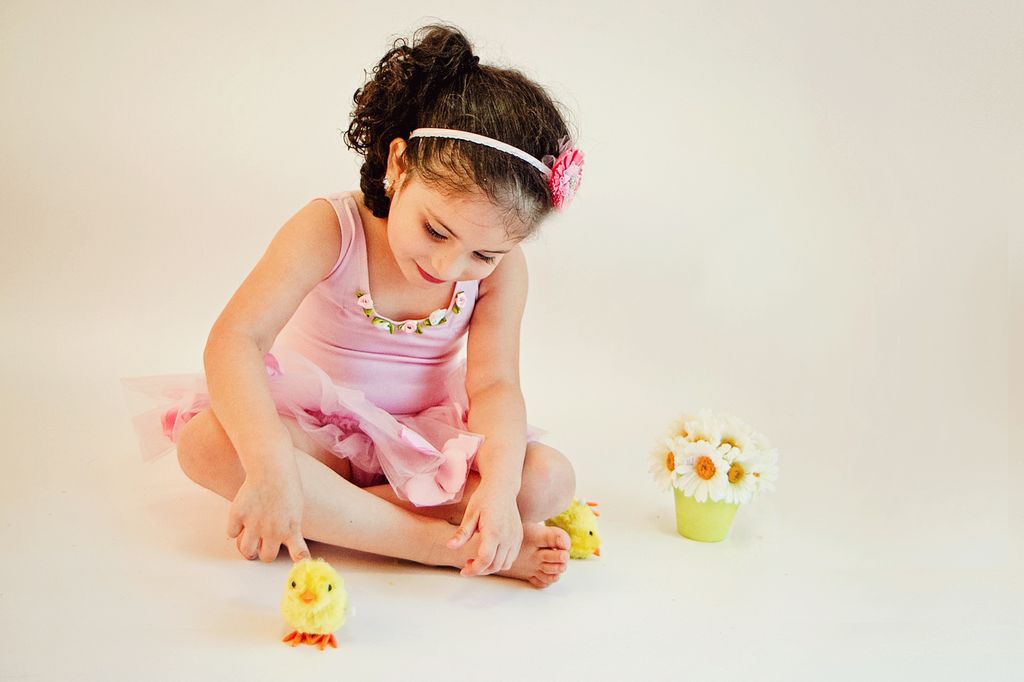
Photo credit: Constance Avellino
Guest post by KC Theisen from the Humane Society of the United States
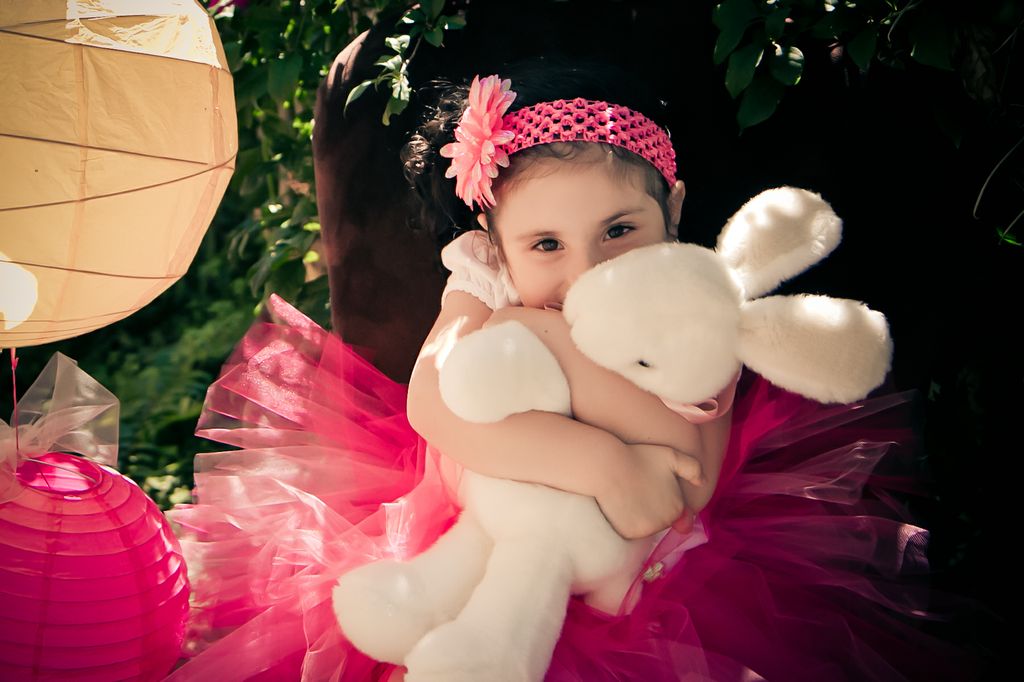
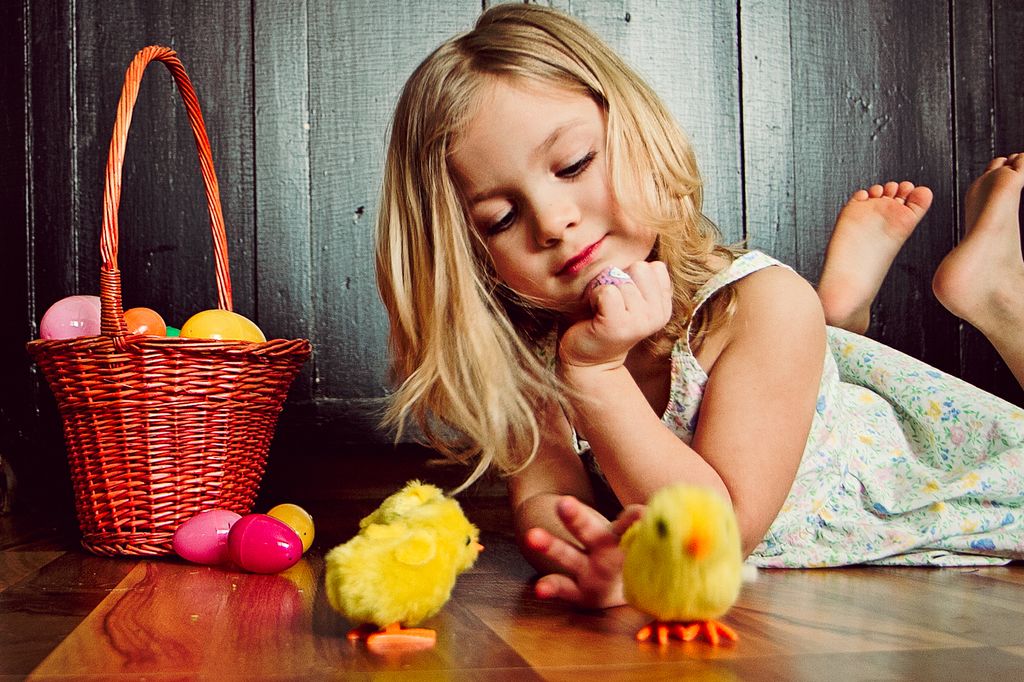
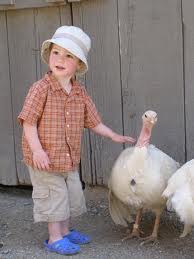
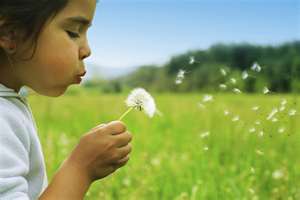
It’s almost Easter, and you may be thinking it’s time to shake off the winter with a photo shoot at your local studio. As grown-ups we can’t help but be attracted to pictures of kids cuddling tiny bunnies, chicks and ducklings. Or sometimes we get so caught up in the excitement of the season that we want our kids to know the thrill of a real, live baby animal in the basket on Easter morning. But it’s not so simple.

These tiny new lives will soon be adult rabbits, chickens and ducks, looking forward to a long and safe life. Do you expect that the photographer is going to keep the five bunnies and 25 ducklings they ordered online and assure them a good life? Is your son or daughter going to be thrilled to clean Easter Bunny’s litter pan in six months? Most Easter babies are cast off into the wild shortly after Easter, to die of exposure, starvation or predation. Lucky ones are surrendered to an animal sheltering organization, but they might spend months waiting to find their forever home.
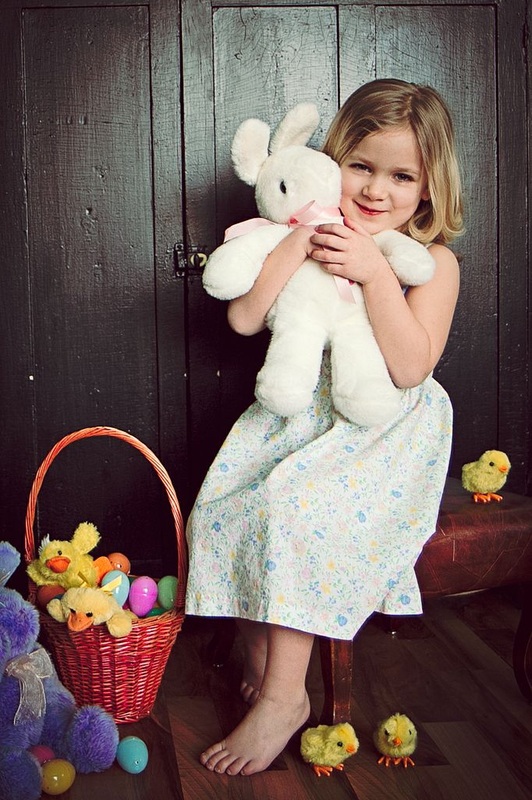
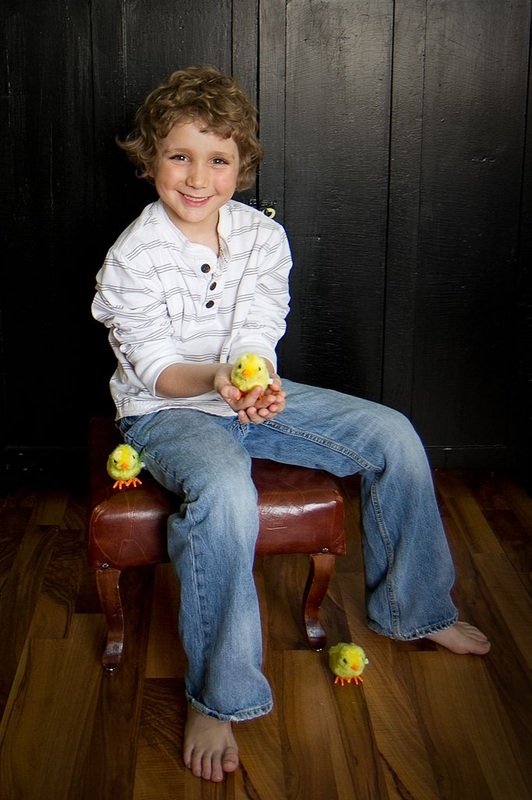
This year, make a different choice. Consider giving a plush toy or a chocolate rabbit. Plush baby bunnies or chicks make fabulous gifts for your kids. They also make great photo props, don’t carry diseases and won’t suffer if your child  outgrows them. A plush pet can go along with the kids on car rides, to school  and become a lasting memento of springtime and Easter. If your family loves sweets, fill their baskets with delicious candy such as lollipops and jelly beans.

You can’t deny that kids and animals go together so don’t. Celebrate the season of renewal with a trip to an animal sanctuary or nature center, so your kids can see spring’s babies with their natural families. Or celebrate Easter at a local  park, watching ducks on the pond and learning about our magnificent natural  world. Visit or volunteer at your local animal shelter or humane society (find  yours at
http://theshelterpetproject.org) and let your kids get up  close with the dogs, cats, puppies, kittens and even rabbits and ducks who were  cast-off by impulse buyers last year.
And if you’ve thought it through carefully and are ready for a lifetime commitment, spring is
the perfect time to  open your home to a new addition. Adopt a pet who will remind your family for  years to come that Easter is about celebrating life and sharing compassion with  all living creatures.
Take a pass on the Easter babies as gifts or photography props this year. 
Make a different choice; a compassionate choice.


Editor's Note
:
Looking for animal-friendly Easter books for kids? Check out the list at Vegbooks.


All photos by Constance Avellino

Guest post written by KC Theisen, director of Pet Care Issues at The Humane Society of the United States.
 
 
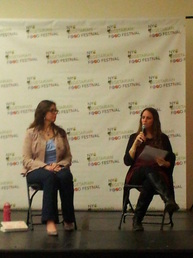
It was exciting to be part of the recent NYC Vegetarian Food Festival on March 2-3. I coordinated the first-ever children's area and I was also a speaker on the topic of Raising Vegan Kids. Here are a few highlights from the inspiring weekend!
Kids are the future of the vegan movement, so it's crucial that we involve them at events, conferences and festivals. Thank you to the NYC Veg Festival for offering a dedicated space just for families-- a place for parents to stop by and pick up information about raising vegan kids, and where kids could participate in vegan-friendly activities that promote kindness and compassion towards animals. The kids and their parents were inspired and empowered to make a difference for animals, the environment, and their own health.
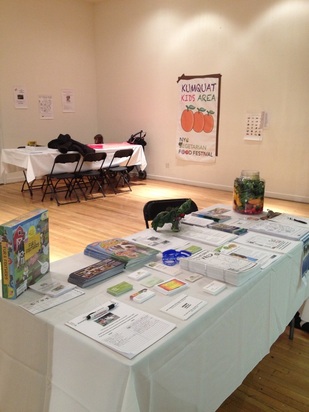
With the help of my husband, I set up the children's area literature table with coloring books, wristbands, bookmarks, tattoos, comic books, stickers, and other materials for kids and their parents. We also had fun, giveaway prizes. Thank you to all the wonderful organizations for participating including Teachkind, Vegbooks, Mitch Spinach, Today I Ate a Rainbow, Youth Empowered Action (YEA) CampKids Gone Raw, Grey2K USA, and the individuals who participated including NYC Vegetarian and Vegan Families Meetup members, Lottie Hanson and Christina Burke, HEART Humane Educator, Kim Korona,  Institute for Humane Education graduate student, Kate Skwire, Vegbooks Outreach Coordinator, Jennifer Gannett, Super Sprowtz founder, Radha Agrawal, Certified Holistic Health Coach, Ellie Aaron Chef Maddie Sobel from PCRM (Physicians for Responsible Medicine), Fiona Walsh from the Coalition to Ban Horse-Drawn Carriages, nutrition and wellness consultant, Jennifer Medleyand Vegan Chef and Yoga Teacher, April Dechagas.

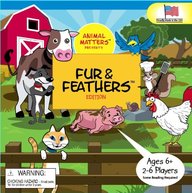
We also had a table for kids to play the animal-friendly board game, Fur & Feathers, as well as table filled with printouts to color, including this fun Vegan Plate page. Another table was set up for the activities, including making healthy vegan snacks such as rice/kale balls and rice cakes with hummus/apple butter/apple sauce spreads, seeds and grapes used for making faces. There was a mat for kids to sit on and read from our kid's vegan library with books provided by Vegbooks. There was also a table set up for puppetmaking.


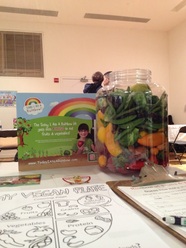
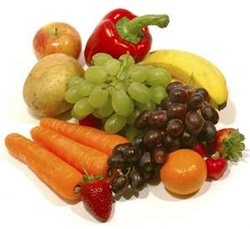
Also, congratulations to Danette Suarez who guessed how many fruits and veggies were in this jar (below). She guessed the exact number- 401!! The prize.... a Rainbow Kit donated by Kia Robertson from Today I Ate a Rainbow! Danette is a second grade teacher so she is looking forward to using it in her classroom!
Picture
Guess how many fruits and veggies?

Here are photos from the children's area...

Such a wonderful, jam-packed weekend full of activities to inspire and empower kids to be kind to animals...and eat healthy! Thank you to all who participated and made the children's area special for all of the kids and parents who stopped by.


                               My Talk on Raising Vegan Kids
I shared personal experiences as well as ideas, tips and resources I've gained from researching and talking with other vegan/vegetarian parents.

Laying the Foundation Early to Raise a Compassionate, Healthy Child


Pregnancy

Research shows that what a woman eats during pregnancy may shape food preferences later in life. In the womb, the baby gulps down several ounces of amniotic fluid a day and this fluid is flavored by the foods and beverages the mother has eaten. So what you eat in pregnancy can result in preferences for certain foods for a lifetime. In other words, if you eat broccoli while you're pregnant, there's a much better chance your baby will like broccoli. So for the sake of your baby, eat a varied, healthy diet and skip the soda, chips and ice cream! 

Research also shows that the foods our children eat in the first 15 years of their lives is critical and has more of an impact in determining later diseases and illnesses than the last 50yrs of your life.


Here are a few tips to help develop HEALTHY eating patterns in children:
Healthy eating is really 2 parts: It’s what we DON’T feed our kids (animal products), and its about what we DO and SHOULD feed our kids. Healthy eating is about adding nutrient-dense foods into your diet that fight cancer and other illnesses, and provide phytonutrients to keep us healthy. (Read: Disease Proof Your Child: Feeding Kids Right by Dr. Joel Fuhrman)

Be Consistent: it can take up to 15 times exposure to a food before a child accepts/likes a food. Don't give up!

Be a good role model: you can’t snack on oreos and potato chips and expect your child to eat carrots and celery. Let your child see you eating healthy foods. Eat together.

Cook and bake with your kids: kids are more apt to try something that they’ve helped make. My daughter helps me by mixing and pouring ingredients, mashing up tofu in her hands for tofu scramble, ripping kale, and adding fruits to the blender for green smoothies. An added bonus is that she often eats half of it before the recipe is even finished! Buy kid-friendly baking tools, and a fun apron. This also reinforces science/math/motor skills!


Bring kids grocery shopping: let them pick out foods that they already like and also challenge them to find new foods that they want to try. Adults should do this too!

Grow vegetables in your backyard or windowsill if possible. Go to a farm to see vegetables growing in the ground. Also, pick-your-own fruits and veggies in season.

Remove the competition: just as you remove meat and dairy from your households, you should also remove the junk and processed foods. If kids are hungry and there isn't any junk food around, they'll be forced to grab something healthy to eat. Keep fruits and veggies visible out on the counter so when kids are hungry, that's the first thing they'll see/grab.

Redefine the word “snack” dessert” etc: snacks don’t have to be crackers, chips, ice cream, or sugary stuff, they can be what we typically view as breakfast, dinner, or side dishes. (Ex. pieces of roasted cauliflower, chickpeas, chunks of tofu). Dessert can be fruit, not ice cream. Try freezing 3 bananas and then blending them in a processor/vitamix, and you instantly have creamy banana ice cream using only one healthy ingredient (add peanut butter too)!

Be Creative: make art/faces out of fruits and veggies. Put food on a kabob. Use cookie cutters to make shapes. Tell a story about a bunny who loved carrots, or Mitch Spinach, etc. Kia Robertson from Today I Ate a Rainbow recommends making it fun!


Doctors- Dr’s receive little to no nutrition education (20hrs average, but some don't receive any training) in med school. Their courses have a heavy emphasis on treatment and pharmaceuticals, rather than prevention. It’s likely in regards to nutrition that you know more than them. Dr's always want to fatten up thin kids to get them on par with the rest of the kids in this country (obesity epidemic!), but because veg kids often eat more fruit, veggies and other lower calorie but higher nutrient-dense foods instead of high-calorie, high fat foods such as doritos, ice cream and mac & cheese, then it's common sense that they will be thinner.

Don’t worry about being perfect: the typical standard American toddler eats the same few foods over and over (chicken nuggets, mac & cheese, ice cream, pizza) so by not feeding these foods, you’re already ahead of the game! It's not about purity, it's about the overall picture.


SHOCKING STATS!

1)    Protein- if you’re eating a sufficient caloric diet, then it’s almost impossible to be deficient in protein. The protein myth in this country was created by meat industry, and we typically get 400x more protein that we need. Animal protein is what’s killing us! According to Forks Over Knives...“We’ve never treated a single patient with protein deficiency, yet the majority of patients we see are suffering from heart disease, diabetes and other chronic diseases resulting from trying to get enough protein”


2)    25% toddlers between 1-2yrs old eat no fruits/veggies at all!

3)    American kids eat less than 2% of their entire diet from fruits/veggies! They move into adulthood eating 90% of their calories from dairy products, white flour, sugar, and oil.

4)    Heart Disease risk factors are being seen in kids as young as 10yrs old.

5)    CDC (Centers for Disease Control and Prevention) has predicted that this is the first generation of children that may NOT outlive their parents.

6)    By the time American children are 15 months old, French fries have become their most commonly consumed vegetable.


Social Side
Kids don't want to feel left out or different; they want to fit in with their peers. So it's our job as parents to help them with this. There are also ways for kids to gain a better understanding and appreciation for why their family is choosing a vegan diet. Here are a few suggestions: 


Visit a farm sanctuary- so kids can get up close and personal with rescued animals. These sanctuaries are very successful in creating a powerful, long-lasting connection to animals. Kids are less likely to want to eat animals after meeting them. Since most vegans don’t visit zoos, this can be a good replacement for that.

Make holidays and events extra special- you can come up with new  family traditions, but try to also include some classic traditions that other kids will be doing- just do it with a vegan twist. Nowadays almost everything can be "veganized." For example, you can make a vegan gingerbread house, color wooden or paper mache eggs instead of dying real eggs, snack on vegan jelly beans, and make vegan candy corn for Halloween.

Read kids books that affirm vegan values- where animals are respected and shown in a positive light, rather than being used by humans in exploitative situations such as in zoos, circuses, and horse-drawn carriages. Skip the books that show kids eating hot dogs, drinking milk, eating ice cream, fishing, etc. Vegbooks is the best online resource for finding veg-friendly books. Also read books about brave people throughout history who were once viewed as being different and in the minority such as those who worked for the abolition of slavery, women’s suffrage, and civil rights but were later viewed as heroes, who despite challenges, spoke up for what was right.

Find a vegetarian/vegan parenting group in your community, and if there isn’t one, start your own. It’s really important for kids to be around other veg kids, and it’s also a great resource for veg parents to get together with other like-minded parents to exchange advice, ideas/tips, recipes, etc. If you live in the NYC area, join the
NYC Vegetarian and Vegan Families Meetup.

Show your kids the power of activism. If they feel strongly about a specific animal or issue, encourage them to join a protest, write a letter to a newspaper, have a vegan bake sale, hand out literature, or create an art project. They’ll most likely have fun doing this, and it will teach them to be a voice for the voiceless.

Remember there are opportunities for teaching kindness and empathy all around us- here in NYC every time I step outside I come across pigeons, squirrels, and bugs such as spiders, ants and flies. Teach kids to respect these not so cute and cuddly creatures as well. Encourage your kids to stop and watch their behaviors. Instill curiosity and reverence. Model kindness by teaching them to never intentionally step on creatures/animals, chase them, or hit them.

Take advantage of social media to create a virtual support community. Ask questions, get advice and share some of your own tips and ideas with other vegetarian/vegan parents. Follow on Twitter & Pinterest and LIKE on Facebook any and all pages related to vegan kids/vegan parenting. You will be exposed to wonderful articles, recipes, ideas, and inspiration.


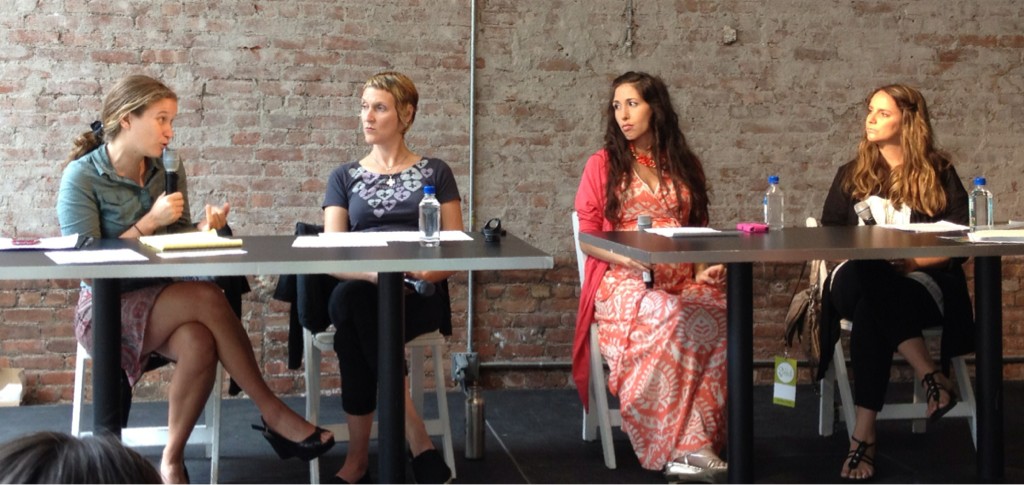
I recently spoke on the Raising Vegan Kids panel at The Seed: A Vegan Experience in NYC. It was exciting to be part of such an important event-- and to be able to connect with other parents raising vegan kids. If you missed the panel, here are a few highlights from my presentation...


I was very excited to be asked to be part of the ‘Raising Vegan Kids’ panel along with Nora Kramer, Michelle Schwegmann, and Chloe Jo Davis at The Seed: A Vegan Experience in NYC. I’ve gone to many vegan and animal rights conferences and events, but there is hardly ever a mention on the topic of raising vegan kids. And now that I have my very own vegan kid, it's relevant to me. I think because more and more adults are becoming vegan, and those adults are having kids, it makes complete sense that the subject of raising veg kids is also becoming more popular, and worthy of discussion. Thank you to The Seed for hosting a whole panel dedicated to the subject of raising vegan kids... definitely a big step in the right direction towards a better world for animals (and the health of our kids, and planet too).

   
Here are a few topics I discussed in my presentation

Embracing veganism is the most effective step a family can take to fight animal suffering. If you have a vegan family, be proud that while you are not necessarily taking the easy road, you most definitely are taking the high road. Encourage your family to be proud and courageous in your family’s decision. We obviously know that  a vegan diet is the best decision you can make for the well-being of animals, and  according to many studies, (including by the United Nations) it's also the best decision you can make for the environment. It's also the best decision you can make for the health of your child. Despite countless messages being drilled into our heads about how we need meat and dairy to survive and thrive, there is now overwhelming evidence by many top physicians and organizations that say the contrary. In fact, countless studies show that if we leave meat and dairy off our plates, we have a better chance of avoiding many types of cancers, heart disease, obesity, high blood pressure, high cholesterol, diabetes  other debilitating and fatal diseases and illnesses. So when it comes to the animals' well-being, the environment, and our children's health, the facts and science are overwhelmingly on our side. So be confident in your decision to raise compassionate, healthy vegan kids.

Picture
Nora Kramer, Michelle Schwegmann, Chloe Jo Davis, Robyn Moore

Laying the Foundation Early to Raise a Compassionate, Healthy Child:


Health 
Research shows that what a woman eats during pregnancy may shape food preferences later in life. In the womb, the baby gulps down several ounces of amniotic fluid a day and this fluid is flavored by the foods and beverages the mother has eaten (things like vanilla, carrot, garlic, anise, mint, etc.). So researchers tested this by giving women garlic capsules or sugar capsules and then took a sample of their amniotic fluid and asked volunteers to smell the samples. The people could easily pick out the samples from the women who ate garlic. This shows that babies in the womb can also taste it since taste is primarily based on smell. So what you eat in pregnancy can result in preferences for certain foods for a lifetime. In other words, if you eat broccoli while you're pregnant, there's a much better chance your baby will like broccoli. 

Research also shows that the foods our children eat in the first 10 years of their lives has a critical and profound effect on their lifelong health, so it’s important to introduce as many different foods as possible. Be consistent- it can take up to 15 times exposure to a food before a child accepts/likes a food. Don't give up!

Here are a few tips to help develop healthy eating patterns in children:

Be a good role model- you can’t snack on Oreos and potato chips and expect your child to eat carrots and celery. Let your child see you eating healthy foods.

Cook and bake with your kids- kids are more apt to try something that they’ve helped make You can start at a young age. My daughter helps me by mixing and pouring ingredients, mashing up tofu in her hands for tofu scramble, ripping kale, and adding fruits to the blender for green smoothies.

Bring kids grocery shopping- let them pick out foods that they already like and also challenge them to find new foods that they want to try. Adults should do this too!

Grow vegetables in your backyard or windowsill, or  go to a farm to see vegetables growing in the ground or go to a farm where you can pick-your-own fruits and veggies in season.

Remove the competition- just as you remove meat and dairy from your households, also remove the junk and processed foods. If kids are hungry and there isn't any junk food around, they'll be forced to grab something healthy to eat.

Order a Today I Ate A Rainbow Kit!- which encourages kids to eat at least 5 servings of fruits/veggies a day, including one from each color of the rainbow. They can track it on a refrigerator chart with magnets. It's fun and interactive.


Social Side:
Kids don't want to feel left out or different; they want to fit in with their peers. So it's our job as parents to help them with this. There are also ways for kids to gain a better understanding and appreciation for why their family is choosing a vegan diet. Here are a few suggestions: 

Visit a farm sanctuary- so kids can get up close and personal with rescued animals. These sanctuaries are very successful in creating a powerful, long-lasting connection to animals. Kids are less likely to want to eat animals after meeting them! Since most vegans don’t visit zoos, this can be a good replacement for that.

Make holidays and events extra special- you can come up with new  family traditions, but try to also include some classic traditions that other kids will also be doing- just do it with a vegan twist. Nowadays almost everything can be "veganized." For example, you can make a vegan gingerbread house, color wooden or paper mache eggs instead of dying real eggs, snack on vegan jelly beans, and make vegan candy corn for Halloween.

Read kids books that affirm vegan values- where animals are respected and shown in a positive light, rather than being used by humans in exploitative situations such as in zoos, circuses, and horse-drawn carriages. Try to skip the books that show kids eating hot dogs, drinking milk, eating ice cream, fishing, etc. VEGBOOKS is the best online resource for finding veg-friendly books. Also, besides kids books, read books about brave people throughout history who were once viewed as being different and in the minority such as those who worked for the abolition of slavery, women’s suffrage, and civil rights but were later viewed as heroes, who despite challenges, spoke up for what was right.

Find a vegetarian/vegan parenting group in your community, and if there isn’t one, start your own. It’s really important for kids to be around other veg kids, and it’s also a great resource for veg parents to get together with other like-minded parents to exchange advice, ideas/tips, recipes, etc. If you live in the NYC area, please join the NYC Vegetarian and Vegan Families Meetup.

Show your kids the power of activism. If they feel strongly about a specific animal or issue, encourage them to join a protest, write a letter to a newspaper, have a vegan bake sale, hand out literature, or create an art project. They’ll most likely have fun doing this, and it will teach them to be a voice for the voiceless.

Remember there are opportunities for teaching kindness and empathy all around us- here in NYC every time I step outside I come across pigeons, squirrels, and bugs such as spiders, ants and flies. Teach them to respect these not so cute and cuddly creatures as well. Encourage your kids to stop and watch their behaviors. Instill curiosity and reverence. Model kindness by teaching them to never intentionally step on creatures/animals, chase them, or hit them.

Dealing with Playdates, Sleepovers and School Functions


The first thing you want to do is make sure that your relative or child’s friend’s parents
know that your child is VEGAN. Next, make sure they know what a VEGAN is, and exactly what foods they can’t eat. Nowadays, many kids are allergic to specific foods (e.g. dairy, peanuts), and there are more and more vegetarians and vegans so different diets shouldn’t be unfamiliar to them.

For events such as sleepovers, birthday parties, school functions, pizza parties, and cookouts, the number one most important thing you can do is find out
 ahead of time what they’ll be serving and supply your child with a vegan substitute, if possible. This will require a little more time and effort on your part, but it’s worth it to make your child feel part of the group.

Create a LIST- for grandparents, aunts/uncles, friends, babysitters, daycares. This is actually something that my Mom recommended. This can be especially helpful for grandparents who have other grandkids too-- so that they can buy snacks that all the kids can eat, because it’s inevitable that kids will want to share or have what the other one is having. On the list you can also include some non-obvious vegan ingredients to look out for when shopping that people may not know- such as whey, casein, honey, gelatin, etc. Click here for list.  


Recommended Resources for Raising Vegan Kids

Despite living in a society permeated by mac & cheese, chicken nuggets, hot dogs and milk... it's getting easier and easier to raise vegan kids because there are so many resources available, online and in books. You can google almost any subject about vegan parenting and you'll get back tons of answers. 

Take advantage of social media to create a virtual support community. Ask questions, get advice and share some of your own tips and ideas with other vegetarian/vegan parents. Follow on Twitter & Pinterest and LIKE on Facebook any and all pages related to vegan kids/vegan parenting. You will be exposed to wonderful articles, recipes, ideas, and inspiration.


FAVORITE BOOKS
Raising Vegan Children in a Non-Vegan World by Erin Pavlina of Vegfamily.com
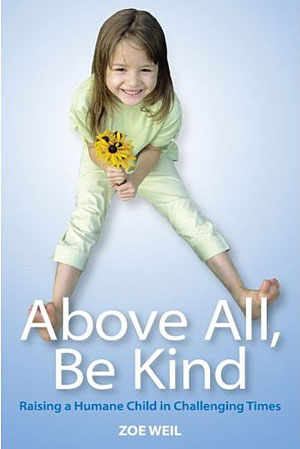
Above All, Be Kind: Raising a Humane Child in Challenging Times by Zoe Weil (makes a great baby shower gift!)
50 Awesome Ways Kids Can Help Animals by Ingrid Newkirk of PETA
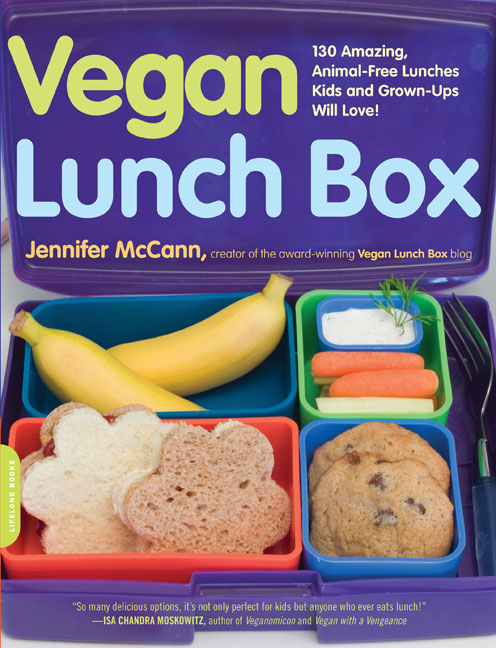
Vegan Lunch Box: 130 Amazing, Animal-Free Lunches Kids and Grown-Ups Will Love! by Jennifer McCann  
Vegan Cupcakes Take Over The World by Isa Chandra Moskowitz and Terry Hope Romero.
Healthy Eating for Life for Children by Physicians Committee for Responsible Medicine
The Complete Idiot's Guide to Vegan Eating for Kids by M.S.J. Dana Villamagna and M.D., M.Sc. Andrew Villamagna
Vegan Pregnancy Survival Guide by Sayward Rebhal
Skinny Bitch Bun in the Oven by Rory Freedman and Kim Barnouin
Happy, Healthy, Vegan Kids by Tracie DeMotte
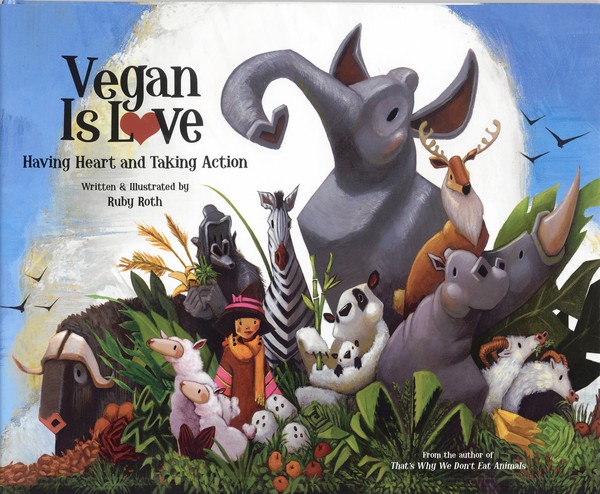
That’s Why We Don’t eat Animals and Vegan is Love by Ruby Roth


FAVORITE WEBSITES/BLOGS
RaisingVegKids (my own of course)
VegFamily
GirlieGirlArmy
Vegbooks
TheKindLife (Alicia Silverstone’s website)
TheVeganWoman
GrowingUpVeg
Vegkitchen
Vegandad


FAVORITE ORGANIZATIONS
Institute for Humane Education (IHE) 
HEART (Humane Education Advocates Reaching Teachers)
Farm Sanctuary and Catskill Animal Sanctuary
PCRM: Physicians Committee for Responsible Medicine (nutrition)
Vegetarian Resource Group (nutrition)
FINAL THOUGHTS:
My message to vegan parents:
Your decision to raise vegan kids means that you will often be challenging the status quo and swimming against the current, but don't let that deter you. Never apologize for choosing a lifestyle based on compassion and integrity. Deep in your heart you know you're doing the right thing for the animals, the planet and your children, so be proud and confident in your decision. Feel empowed. Live with a clean conscience knowing that you and your family are living according to your deepest values. Make veganism fun! Make vegan pancakes on the weekend, have vegan pizza parties, and make vegan ice cream sundaes! 
 
 
RaisingVegKids loves Ruby Roth! Ruby recently wrote a blog post for our site; if you haven’t read it yet, check it out: Armed and Prepared….Some Advice For Vegan Parents.  In it, she shares some valuable tips on how to make sure you are prepared with information when it comes to raising your kids vegan, especially when the inevitable “expert” teachers, doctors, and other parents will come out of the woodwork with their opinions. You’ll hear the same matter-of-fact assertions: Kids need milk for calcium and growing bones, they need meat for protein, etc. This is outdated, and furthermore inaccurate (according to the American Dietetic Association and the American Academy of Pediatrics "well-planned vegan and vegetarian diets can satisfy the nutritional needs and promote normal growth of infants and young children"). So Ruby urges veg parents to be ready!

Picture
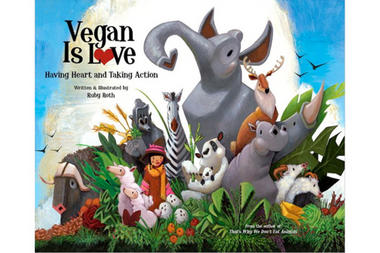
Vegan is Love by Ruby Roth

Ruby has been under fire recently for her new book, Vegan Love, which hits shelves this week. This is Ruby’s second book for kids about veganism. Her first is That’s Why We Don’t Eat Animals. Ruby has faced critics of her new book on shows including The Today Show and Fox News. Her critics have been less than impressive. For example, when some of them recently kicked the nutrition-babble into high-gear, with oddball claims such as asserting that a “flexitarian” diet can “advance your nutritional status (emphasis added),” that’s when I knew they were simply grasping at sraws. What the heck does “nutritional status” even mean and how is it relevant to a childrens book?

Only slightly less bizarre, but more worthy of discussion, are the criticism of opponents of the book who speculate that its themes are too scary and violent for kids (images of animals in labs, factory farms, etc). ….and Ruby responded back that if it was too scary and violent for kids to read, then it’s probably not something you’d want to eat (or support). 


Click to see
Ruby Roth debating a psychologist on FOX News

The irony in all of this is that when we look at some of the most famous kids books in the world, that’s where we'll find the truly scary, graphic, and even violent themes. We see Little Red Riding Hood’s Grandma eaten by a wolf, Hansel & Gretel caged by a witch in preparation to be baked in an oven, the Wicked Witch in The Wizard of Oz literally lighting people on fire, Snow White being poisoned to death, and the list goes on and on. Scary? Violent? But these are timeless classics! Yet, what Ruby depicts in her book (which is actually non-fiction) is somehow deemed objectionable. If her book didn’t have to do with the hot-topic of food choices and animal treatment, I wonder if people would still find it objectionable?

It’s interesting that gratuitous violence in mainstream kids’ books, cartoons, and films is considered appropriate, but as soon a book with a positive message about being compassionate towards animals (including those we eat) comes out, suddenly there are national headlines and a fear that kids are going to be somehow psychologically damaged to hear that people can mistreat animals. It seems that, as long as the the moral of the story doesn’t involve something as “personal” as our food choices then these are just themes kids should hear as part of growing up and is not disturbing at all. Let’s face it, that’s just intellectual and moral laziness.


I don’t believe that parents, if they knew, would want to continue perpetuating the myth (aka lying) to their kids about how animals are treated in industries that use and kill animals. Every other book you pick up at the library or bookstore shows a happy animal dancing in a circus, frolicking in a zoo, or living peacefully on a sunny farm. Aren’t we as parents supposed to be 
relaying accurate information to our kids to help them make kind choices, especially when it involves our deepest convictions, and ethics? Even (or especially) if the reality isn’t pretty?  No doubt the issues Ruby covers in her book are not sugar-coated, including the nasty, cruel business of factory farming, however, from what I’ve seen so far, neither are they out of bounds, age inappropriate, or overly graphic. So we could either tell the truth to children, or ignore it and keep reading books about happy cows being milked and elephants having a jolly ol’ time performing in the circus. Through books, many parents teach their kids about serious issues including not talking to strangers, the harm in bullying, and inappropriate contact with others. These issues are not always happy, and in fact some are very scary, but they’re important nonetheless. There can be no “moral” of any story without a choice between good and bad, and that’s what makes Ruby’s book similar to so many of the best books we all fondly remember from childhood.

With age-appropriate honesty, popular kids books already cover once-controversial issues such as poverty, the environment, endangered species, civil rights, prejudice, and bullying. My hunch is that the controversy being stirred around a similar truthfulness regarding issues of animal treatment is much less about the children and more about parents feeling uncomfortable about having to square their own values with the reality of animal use and mistreatment. I’m sure that once we as parents do a little growing up, we can get back to one of our first responsibilities, teaching our children right from wrong (hopefully, without all of the convenient, and even bizarre, excuses we makeup mostly for ourselves).

For more veg-friendly kids books, check out Vegbooks.

Post by Robyn Moore
 
 
I'm excited to introduce this post, not just because it's a great recipe for kids to eat and make, but also because it's written by one of my very best friends from elementary school, Heidi Rogers! She shares a recipe for a delicious and healthy soup that's especially perfect for teachers to make with their students...so grab a baguette and get started! 

Picture
Friendship Soup

Guest Post by Heidi Rogers
My 3 year old daughter Elizabeth honored me with an invitation to her nursery school’s Special Person’s Lunch. What would be on the menu? It was a valid question. It was, in fact, 3 year olds cooking!  All I knew was that Elizabeth needed to bring a vegetable to school that day. I sent her with 3 potatoes!

Well, as all the “Special People” sat down for lunch, my question was answered. We were served Friendship Soup that her class had cooked. Each child contributed a vegetable and a soup was created; a vegan soup made with love. The children were so proud to be serving us their own cooking creation.

The following weekend, my daughter wanted to make Friendship Soup at home, for Robyn and her daughter, Charlotte. They were coming to visit for a few days. So here is our creation. I think it was a big hit because Robyn and Charlotte ate it for 3 meals during their stay! Please notice that the ingredients are very flexible. Use what you have in your fridge and cabinet, use what is in-season, and use what you were given in your CSA.


                                   FRIENDSHIP SOUP

Picture
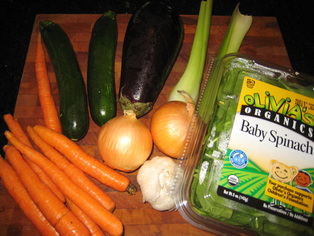
Ingredients


INGREDIENTS:
Olive oil
2 onions- chopped
4 cloves of garlic
(2) 32 oz boxes of vegetable stock*
6-8 carrots cut into small pieces
1 small eggplant cut into small pieces
2 large zucchini cut into small pieces
2-3 celery stalks cut into small  pieces
29 oz can of tomato puree
28 oz can of San Marzano tomatoes
2 cans 15 oz cannellini beans - washed and drained
2 cans 15 oz red kidney beans- washed and drained
Package of baby spinach
Salt and pepper to taste
Pasta of your choice: my daughter chose a box of pasta that looked like wheels!

Other options
: mushrooms, different beans, French style green beans, quinoa, lentils, and/or basil.


DIRECTIONS
:
In a large saucepan on medium begin to heat the olive oil. Cut onions and saute in the olive oil. When onions are just cooked (5-7 minutes) add garlic. Cook for 1 minute. Add a splash of vegetable stock to slow the garlic’s cooking process. Add all the chopped vegetables and saute over medium heat. Continue to stir and add stock to help vegetables cook. When carrots begin to soften add the remainder of the stock (one or two boxes*), puree, tomatoes, beans, salt and pepper. Bring to a boil. Pile spinach on top of soup and cover for a few minutes until spinach is wilted and can be stirred easily into soup.

Reduce the heat, cover and let simmer for approximately 1 hour until the vegetables are tender. Check soup every once in a while, stir and adjust stock to your preference.

I cook the pasta separately and add it into soup bowls individually. This allows you to easily freeze any left over soup and make fresh pasta each time you want soup.

*The amount of stock added is up to you. Do you want soup? Or stew?


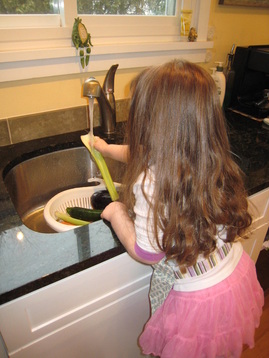
Have fun and let the kids help.... 
Picture
Washing the vegetables
Picture
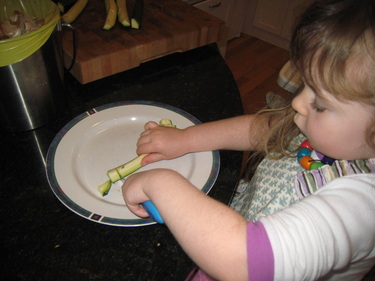
Cutting the zucchini. Very serious!
Picture
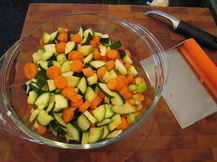
Chopped ingredients*
*Favorite kitchen tool -- Rachael Ray’s Bench Scrape 
 
Picture
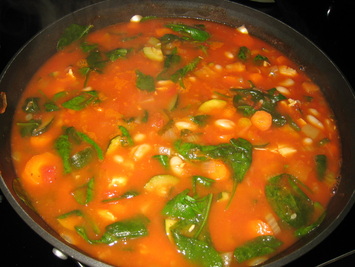
The finished product....yum!
 
Enjoy the Friendship Soup!

Editor's Note: After (or even before) making this wonderful soup, you can read, Growing Vegetable Soup by Lois Ehlert together. It's the perfect book! Read the review at Vegbooks. Also click here for lots of fun vegetable-related games and crafts, and printable coloring pages.


Heidi Rogers is a full-time mom to her two beautiful daughters in Mystic, CT. She has her master's degree in elementary education and is a former teacher. When she is not taking care of her kids, or working for her husband's dermatology office, she enjoys sewing, staying up to date on her favorite crafting blogs, gardening, healthy cooking, and enjoying the great outdoors with her family.


Marsha from The Institute of Humane Education shares some very valuable tips for raising kind and compassionate children. As parents, it's our job to model and guide the behaviors we wish to see in our kids...and this post will show you how to do that. It will re-energize you....and make you rethink your role as a parent. These seven insightful tips should be on your "to-do-list" everyday!
 
Picture
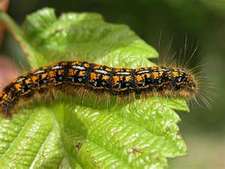
Teaching a child not to step on a caterpillar is as valuable to the child as it is to the caterpillar. - Bradley Miller


Guest blog by Marsha Rakestraw from The Institute for Humane Education (IHE)
When people are asked to list the best qualities of humans, kindness and compassion are always at the top of the list. We're able to be compassionate with others in large part because we can empathize with them. Empathy and connection are key to a healthy, compassionate person (and a healthy, compassionate world), and studies show that we're innately wired to be empathetic; even at a very young age we demonstrate (and show a preference for) empathy.

But in a culture dominated by violence, cruelty, and self-absorption, empathy and compassion must be nurtured; and studies show that
young people are becoming less empathetic than in generations past. It is during the early years that the foundation for our children's beliefs and behaviors are formed. As your child's first and most important teacher, parents have an important opportunity to start building pathways to kindness and compassion for people, animals, and the earth, starting when children are very young.


Here are 7 tips for helping nurture compassion in your children:


1. Educate yourself about ways to be compassionate to people, animals, and the earth, so that when your child starts asking questions and exhibiting behaviors that do (or don't) reflect your family's values, you have the knowledge to help. Additionally, as your child gets older s/he will be exposed -- through media, friends, school, and other sources -- to messages and values that may not value compassion. By educating yourself and maintaining mindfulness, you'll be ready to take action to help protect and nourish your child's sense of compassion for others. There are a variety of resources available (including those in IHE's Resource Center).

2. Model a message of compassion. Every day you are modeling a message, and your children are watching and learning from everything you say and do. Are you modeling the message you want to convey? Consider your choices: the food you eat, how you get from place to place, the way you communicate, the products you buy, and all your other daily choices. Do they reflect your values of compassion toward animals, people, and the earth? If your actions don't match your values as much as you'd like, start making small changes, and talk to your children about why you're choosing differently.

3. Read books and tell stories showing compassion and care for others. Stories are a wonderful teaching tool, and of course, regular reading and storytelling build important communication skills. Consider the values and messages in the stories you read to your children, and look for stories that encourage compassion to animals, other people, and the earth. There are numerous resources available, including
IHE's Resource Center, and websites like Vegbooks. You can also share stories from your own life about how you learned compassion for others.

 4. Build reverence. We tend to protect what we love. If we want our children to connect deeply with others in the world, we need to provide them with regular experiences that nurture and celebrate their love and compassion for animals and the earth. We can engage our children's innate curiosity and invite them to observe ants, get to know a tree, learn about the other beings around them, and explore the beauty and uniqueness that is part of their world.

5. Provide direct experience with others. It's so easy to make judgments and assumptions about others when we don't know them personally. Help nurture a compassionate spirit by providing lots of opportunities to engage with others. Observe animals in their natural habitat at a park; visit a farm animal sanctuary with your child; take your child to events and locations that expose them to people of a variety of backgrounds and experiences; plant a garden; go camping; take a hike (or at least a walk around the neighborhood). 
 
6. Gently guide their choices & help them think critically. Teach your children right away how to engage kindly with animals, other people, and the earth. If you see them involved in unkind behavior (such as hitting your family dog), have an age-appropriate conversation with them to gently guide them to a kinder choice. As children grow, instead of just telling them an answer ("We don't eat eggs because we believe it's important to be kind to animals"), we can ask them open-ended questions that help them think critically about why your family makes the choices it does.

7. Provide them with opportunities to help. Even from an early age, children can be involved in helping others. From accompanying you to take a meal to a sick neighbor, to fundraising for a compassionate cause, to volunteering as a family at an animal shelter, there are numerous opportunities to cultivate generosity and empathy. Just be careful that the experiences are age- appropriate for your child.


To gain additional tools and support for raising a conscientious, compassionate child, sign up for IHE's online course,
Raising a Humane Child, which begins April 9. Find out more & register here.


Marsha Rakestraw is the Director of Online Courses, Online Communications & Education Resources for the Institute for Humane Education and is a 2005 graduate of IHE's certificate program. Although she is not a parent herself, Marsha has taught at the PreK-graduate levels and worked for more than 14 years as a children's/young adult librarian. She misses doing family storytimes, but now dedicates her time to working and volunteering as a humane educator. When not trying to make the world a better place, she's hanging with her husband or entertaining her precocious puppy and schizophrenic cat in Portland, Oregon.
 
 
Authors Hillary Feerick and Jeff Hillenbrand share some very valuable insight into what our kids our eating nowadays, and the harm it is doing to their health. They wrote The Secret Life of Mitch Spinach, to encourage and inspire kids to eat more fruits and vegetables. This is an important post for parents, teachers, and anyone else concerned about the future health of our children. Please read on!

Guest Post by Hillary Feerick and Jeff Hillenbrand
As parents, we want what is best for our children. We take the role of protecting them very seriously, and we would never intentionally harm them. We read to them at bedtime, provide them with the best education, insist that they wear their seatbelts, but when it comes to food, somehow many of us falter. In this country, however, we have failed so significantly to nourish our children that the CDC (Centers for Disease Control and Prevention) has predicted that this is the first generation of children that may NOT outlive their parents. The latest scientific research has shown that the foods our children eat in the first 10 years of their lives has a critical and profound effect on their lifelong health, but we have not fully comprehended the gravity of these findings. As a result, the number of obese and overweight children has tripled in the last thirty years, and the number of cases of type 2 diabetes (a disease once called “adult onset diabetes” and linked to high sugar intake) has increased at an alarming rate. And the list of frightening statistics goes on: The results reported by the 1992 Bogalusa Heart Study confirmed that most children and teenagers already had significant plaque buildup in their arteries (a precursor to heart disease). American children consume less than 2% of their diet from fruits and vegetables. About 25% of toddlers between ages one and two eat no fruits and vegetables at all. By the time American children are 15 months old, French fries have become their most commonly consumed vegetable. They move into adulthood eating 90% of their calories from dairy products, white flour, sugar, and oil.


While we have educated our children about the dangers of smoking cigarettes and the use of recreational drugs, we just don’t realize how damaging eating foods on the kids’ menu really is. In fact, The World Health Organization (WHO) has recently stated that more people die today from eating a diet full of junk and processed foods than from cigarette and illegal drug use combined. We wouldn’t allow our children to sit at the table, smoking cigarettes and drinking whisky, but we don’t think twice about regularly giving them candy, soda, fries and cheeseburgers, foods that are shockingly more harmful. Although we would never mean to do anything to hurt our children, every day we are unknowingly causing significant harm.

This heavy emphasis on candy, junk food, and other forms of junk foods does not help our children reach their potential. In fact, a recent study published in The Journal of Epidemiology and Community Health suggests that it limits their brain development. The study followed the dietary patterns of nearly 4,000 children from birth for over eight years and found that toddlers who ate a nutrient-rich diet full of fruits and vegetables had higher IQ scores when they reached 8 years of age compared to the toddlers who consumed processed foods full of fat and sugar.

In response to the current health crisis in America, many counties and states have written laws that prohibit parents and teachers from serving foods or beverages whose first ingredient is sugar. (Please see attached example of New Jersey's policy.) Some states, school boards, and individual schools have implemented additional limits on trans fats and prohibit candy and sugared beverages in any form. The Broward County Schools Wellness Policy (the county in which we live and our children attend elementary school) states that “Schools shall encourage fundraisers that promote positive health habits such as the sale of non-food and nutritious food items as well as fundraising to support physical activities.” Michelle Obama has launched the Let’s Move Campaign to get kids exercising and making healthier choices.


These are all steps in the right direction. However, as parents of a first-grader and a Kindergartener, we know first-hand how difficult it really is to raise healthy kids in a fast-food and junk-food filled world. Adults know that good nutrition fosters academic and athletic performance, but getting children to understand the importance of a healthy diet can be a daunting task. Children need fun and entertaining ways to learn about healthy eating. Many parents recognize the problem but find it difficult to implement change. Frustrated by the lack of a healthy, smart, cool role model for our 5 and 6 years old children, we created a super hero who gains powers from fruits and vegetables: Mitch SpinachWhen children read about his adventures, THEY ask YOU for fruits and vegetables. The subtlety of fiction enables children to learn without even realizing that they are learning.


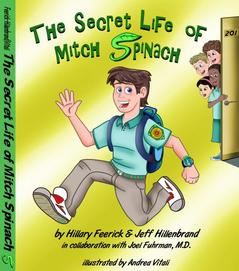
In the first book in the series, The Secret Life of Mitch Spinach: 
  
Mitch Spinach seems to be an ordinary kid, but his classmates have begun to suspect something. The notes in his custom-made, temperature-controlled Nutripak-lunchbox appear to have been written in code. While other kids eat their usual   chicken fingers and pepperoni pizza, Mitch Spinach mixes up his meal in a battery-powered blender before their curious and envious eyes. Although he is the smartest, nicest, strongest kid in Ms. Radicchio’s class, he often misses recess when he is called to Principal Lycopene’s office. The truth is that his high- powered fruit and vegetable smoothies give him special powers, such as super-sonic hearing and amazing night vision, which help him tackle problems and solve mysteries at Sunchoke Elementary.

Written in collaboration with renowned family physician and best selling author Joel Fuhrman, M.D, The Secret Life of Mitch Spinach provides a perfect way for kids to learn about healthy eating while enjoying exciting  adventures and mysteries. Each book in the series contains a healthy recipe and a “Secrets for Parents and Teachers”section, written by Dr. Fuhrman, that explains many of the nutritional concepts alluded to in the book. Dr. Fuhrman is a board-certified family physician, author, and nutritional researcher who specializes in preventing and reversing disease through nutritional and natural methods. 
 
While many books focus on a child’s dislike of a certain food (usually a vegetable), this book series is devoid of that type of negativity and instead transforms healthy eating into a behavior to be copied in order to gain “super” powers like those of Mitch Spinach. The Mitch Spinach children’s book series has the power to significantly change the way that children eat because it actually prompts children to ask for healthy food without preaching to them about the benefits of a healthy diet. 
 
The Mitch Spinach
website features creative, multidisciplinary lesson plans and outlines the importance of sound nutrition. Kids can print educational games, such as crossword puzzles and word searches that pertain to the healthy foods used in the books to reinforce what they have learned.

A new resource to help you in your quest to adopt a healthy lifestyle as a family, the Mitch Spinach book series can make your transition even easier. When kids start asking their parents for broccoli, carrots, or flax seeds because they want to be like Mitch Spinach, your own healthy choices will seem effortless and fun!

To get kids on the right track with healthy eating, order your copy of The Secret Life of Mitch Spinach and the brand new
Mitch Spinach and the Smell of Victory by visiting the website.

Stay tuned for Part II: 
10 Secrets to Get Your Kids to Eat More Fruits and Veggies


Editor's Note: A big thank you to the authors for addressing such a timely issue, and working to fix the problem by creating a tool for parents (and teachers) to use to encourage kids to eat their fruits and vegetables. I highly recommend this wonderful book. Check out my review on
VegbooksHere is a printable memory card game that features fruits and vegetables.


Hillary Feerick and Jeff Hillenbrand have been married for 15 years and have two young children, a girl and a boy. Months before their first child was born, they began to delve more deeply into infant and maternal nutrition. Compelled by the difficulties of raising healthy children in a fast-paced, junk-food-filled world, they decided to combine their expertise in health (Jeff holds a BS in exercise science) and writing (Hillary holds a BA and MA in English and is an English teacher) to create Mitch Spinach, a healthy role model for children.